
How to Find Company Revenue Data & Identify Direct Competitors — with Marketing Automation Examples

If you don’t know your competitors’ revenue, you’re setting goals in the dark.
Let’s shed some light on how to find company revenue data — even for private players.
I’m Olga Kolomiiets, a CMO driving strategy for B2B IT companies.
Remember in my previous post, we scraped the top 20 results from Google Search, G2, and Capterra — and ended up with a list of 34 potential marketing automation competitors. Now, it’s time to get serious: let’s validate these companies and select the top 5 direct business competitors.
To do that, we need to collect some key business data:
- Number of customers
- Company revenue
- Team size
How to Find Company Revenue
Let’s start with the big one — revenue.
When it comes to how to find company revenue, it usually involves a mix of detective work like researching public financial documents, official reports, or using financial analysis tools.
Here are your best bets.
Public Companies
- Public companies are required to publish annual reports. You can find those on:
- Company websites
- Or popular financial news websites like Bloomberg, Reuters, Yahoo Finance, or CNBC
- Want more in-depth metrics like enterprise value and market capitalization? Use pro-level financial analysis tools like:
- Bloomberg Terminal
- FactSet
- Morningstar Direct
- Koyfin
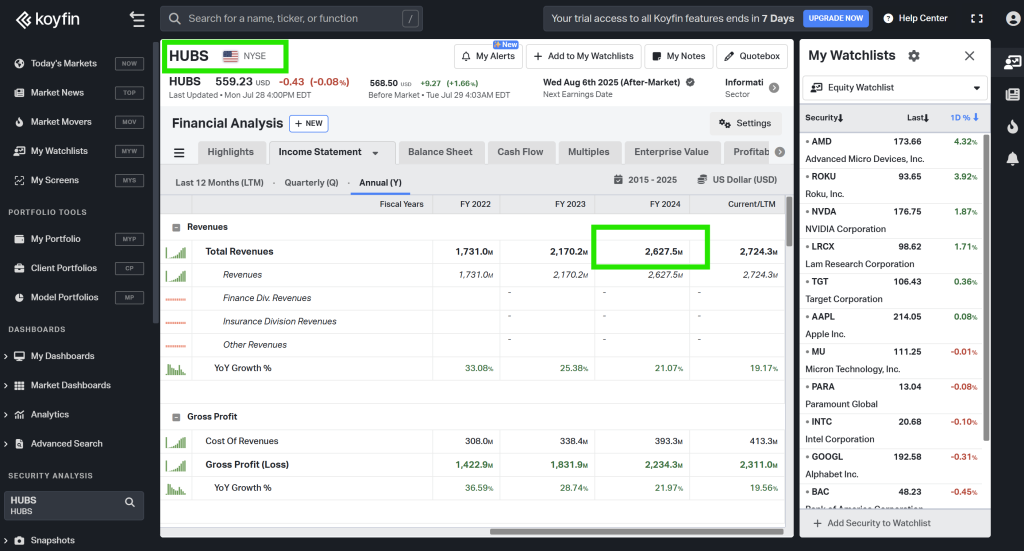
💡For example, here’s how I pulled HubSpot’s revenue from Koyfin — fast, clear, and insightful. But Here’s the Catch… Most of our competitors very often aren’t public companies — and that’s when the real detective work begins.
Private Companies
For private companies, here are a few places to look:
- Some larger private companies voluntarily publish annual reports with revenue and other key data. It’s rare, but it happens — so always check their official websites or trusted financial news outlets.
- In certain countries, you can find company financials through government registries, depending on local transparency regulations. For example, the UK’s Companies House or Estonia’s e-Business Register.
- Market research firms like Gartner, Forrester, IDC, Statista, or MarketResearch.com often include revenue estimates and segmentation by company size.
🔐 Just a heads-up: the best competitor research tools often sit behind a paywall — because good data isn’t always free (unfortunately!).
- Public companies = more transparent, thanks to legal requirements.
- Private companies = often mysterious, requiring more effort, cross-checking, and reliance on industry estimates or financial analysis tools.
Let’s Get Practical
Using the sources I mentioned earlier, I began collecting company revenue data for the businesses on my list.
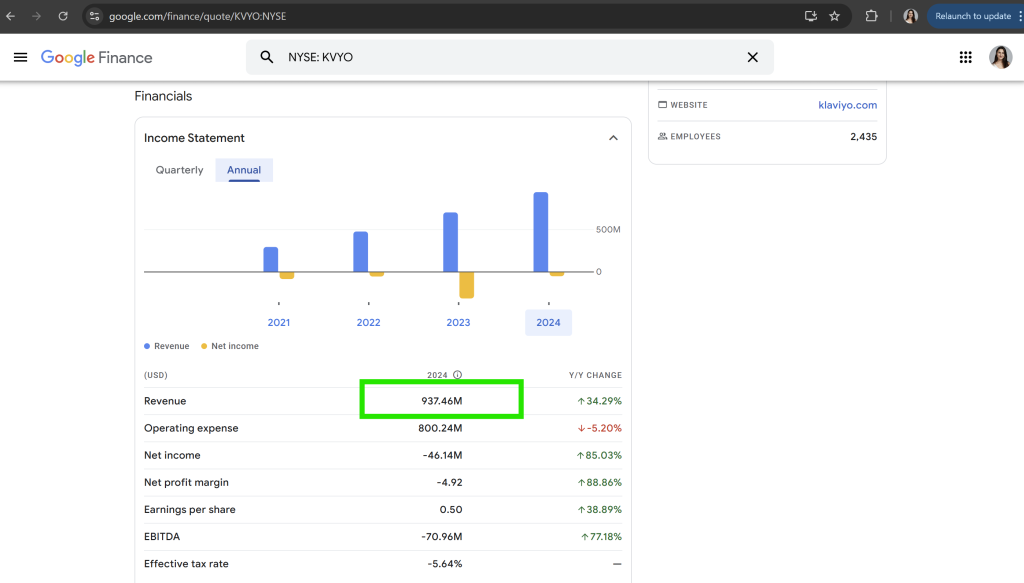
- First, I identified the publicly traded companies and filled in their data by checking:
- Official websites
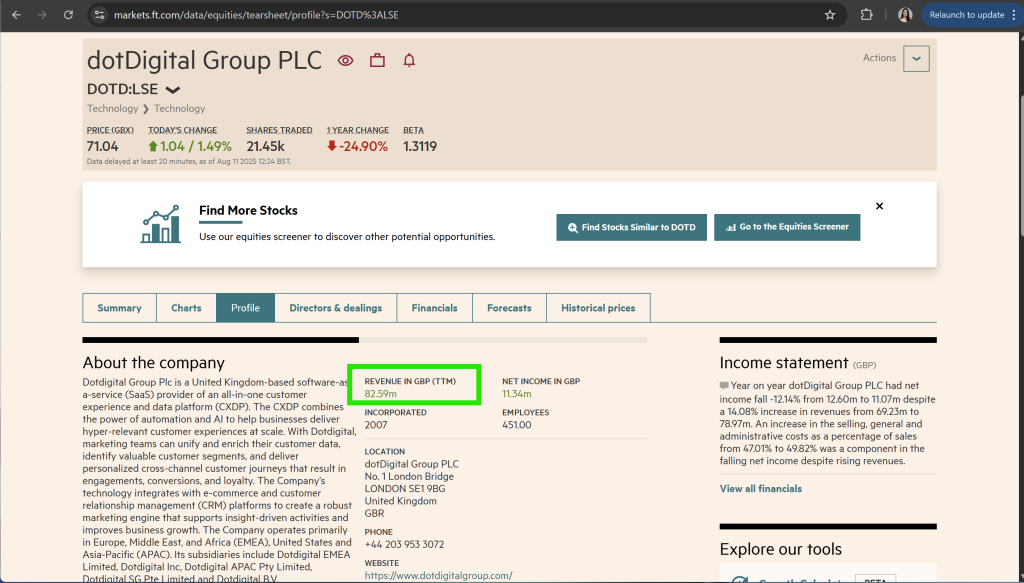
- Popular financial news platforms
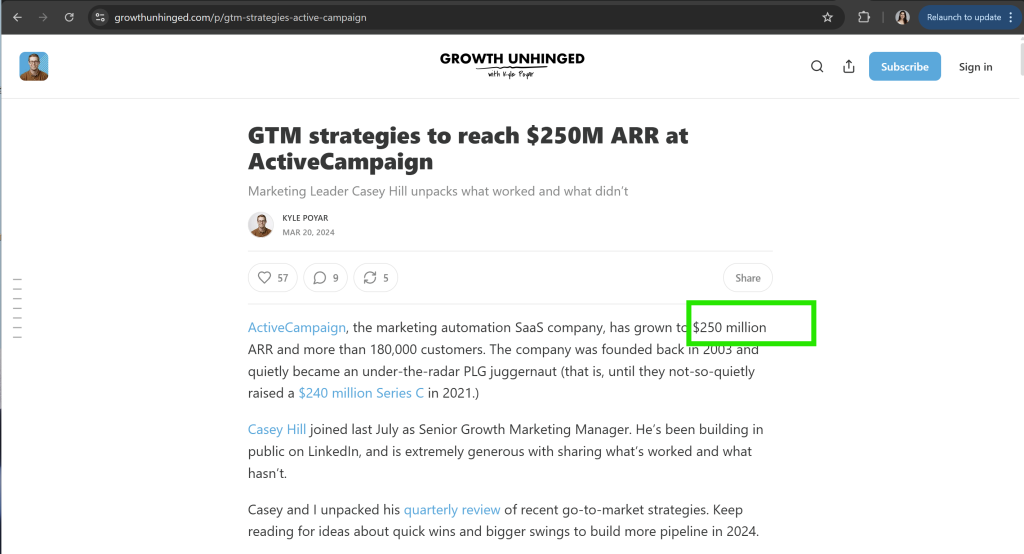
2. Next, I turned my attention to private companies. For these, I focused on trusted sources — but as you can imagine, the data isn’t always readily available.

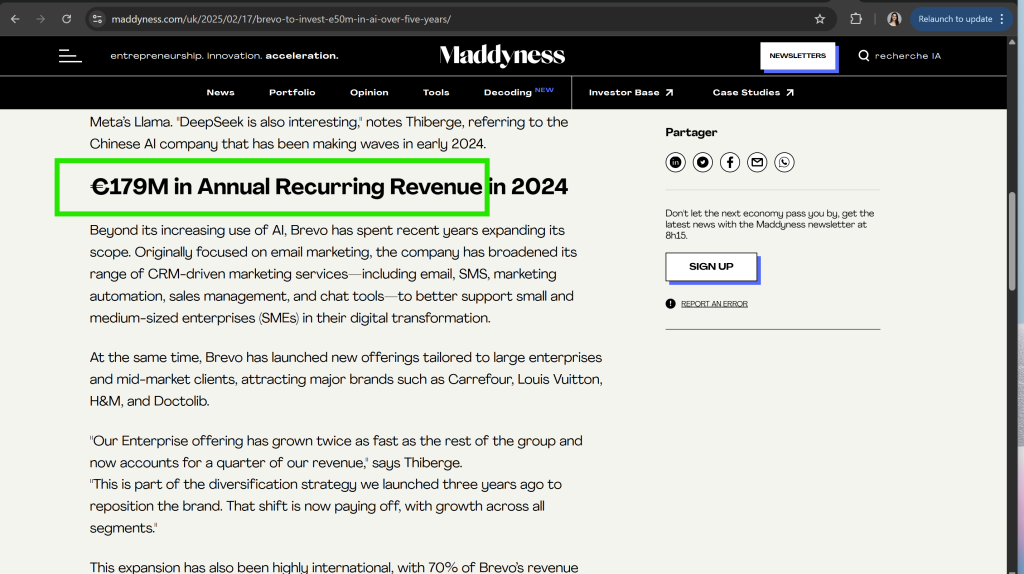
3. For the harder-to-reach cases, I used free tools like: LeadiQ Growjo
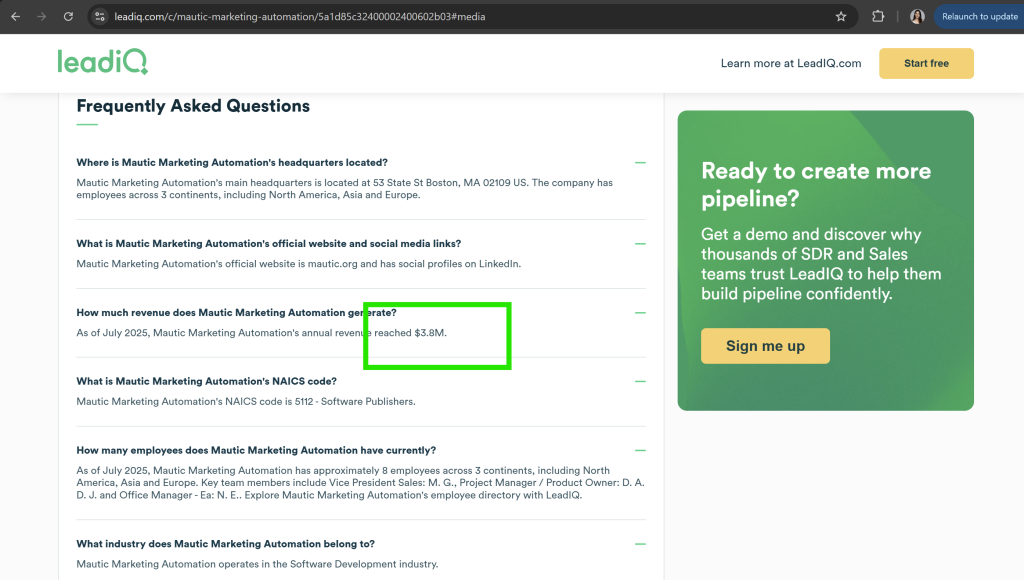
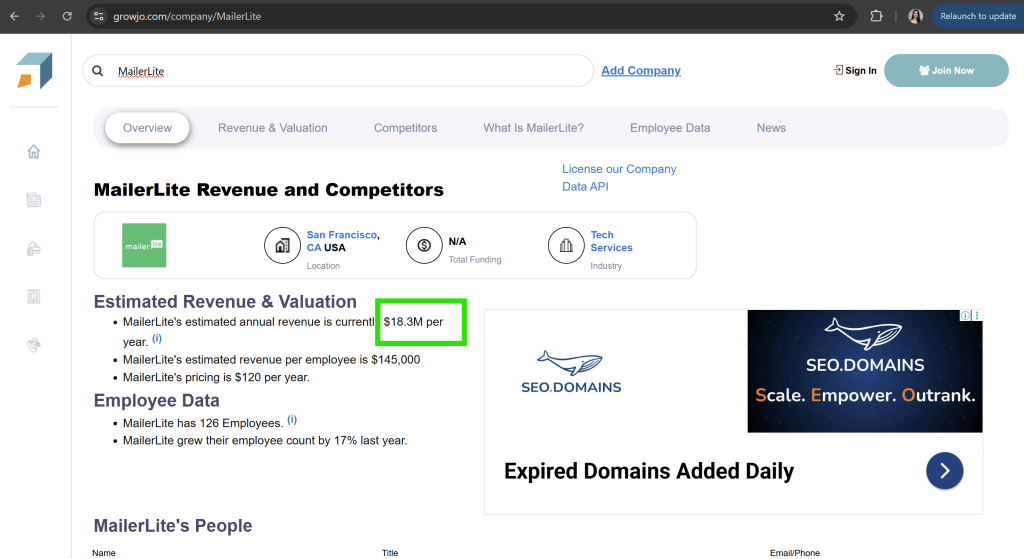
These services gather publicly disclosed data (like SEC filings), information legally shared by users, and licensed datasets from vetted third-party providers. They also estimate revenue based on factors like: Team size, Industry, Country, Age of employees, Funding history.
⚠️ A quick note of caution: while these tools are useful for orientation, the numbers are often machine-generated estimates. Treat them as directional — not definitive.
How to Find Company Team Size
Once revenue was covered, I moved on to team size. I pulled this data from:
- PitchBook
- LinkedIn profiles
- Official company websites
This gave me a clearer picture of operational scale and resource levels.
What about customer base data?
In many cases, you’ll find this information directly on the company’s official website.
If that doesn’t work, tools like Enlyft can be a helpful alternative. Just keep in mind: Enlyft compiles its data using a mix of automated web crawling, AI-driven modeling, and licensed third-party sources.
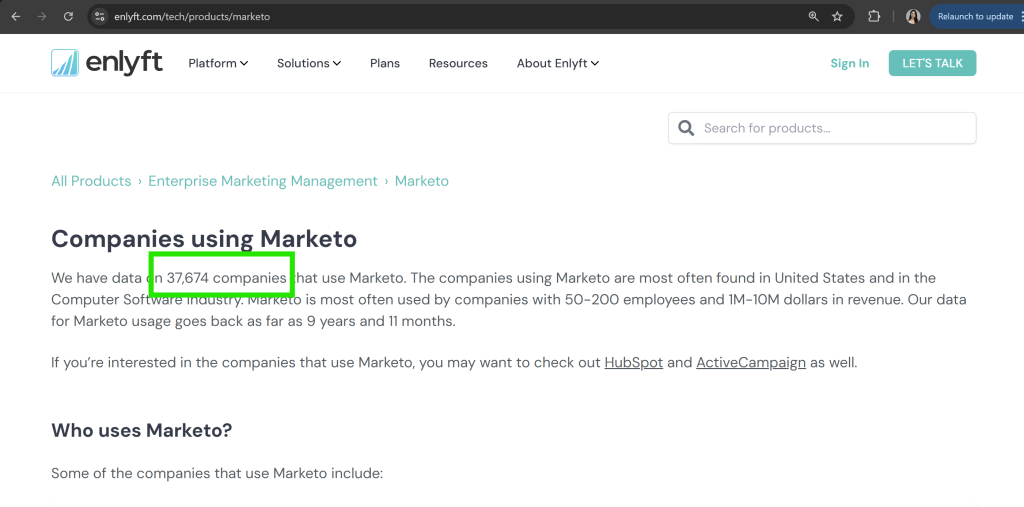
⚠️ So while it’s useful for getting a general sense, always approach the numbers with healthy skepticism — they’re estimates, not verified figures.
How to Identify Direct Competitors
Now that all the data is collected, let me show you the results.
I’ve compiled everything into a single table — and to identify direct competitors, simply filter by the revenue column.
The team size and customer base figures will also be valuable benchmarks when setting internal KPIs and planning growth targets for your own company.
I usually recommend focusing on no more than 5 direct competitors for deep-dive analysis.
This keeps your research focused and actionable.
At the same time, it’s smart to keep an eye on 10–15 competitors overall — so you can track shifts in market share and compare your progress against the broader landscape.
As for how often you should run competitor research — well, that depends on your business model, market dynamics, and growth stage.
I’ll share my recommendations on timing and frequency in an upcoming video.
So now you know where to dig for revenue, team size, and customer base — and how to identify direct competitors using practical data sources. Stick around — next time, we’ll build on this even further.